Waiting for the Bus, Avenging My Father: What Shenmue Understood About Open Worlds Before Anyone Else
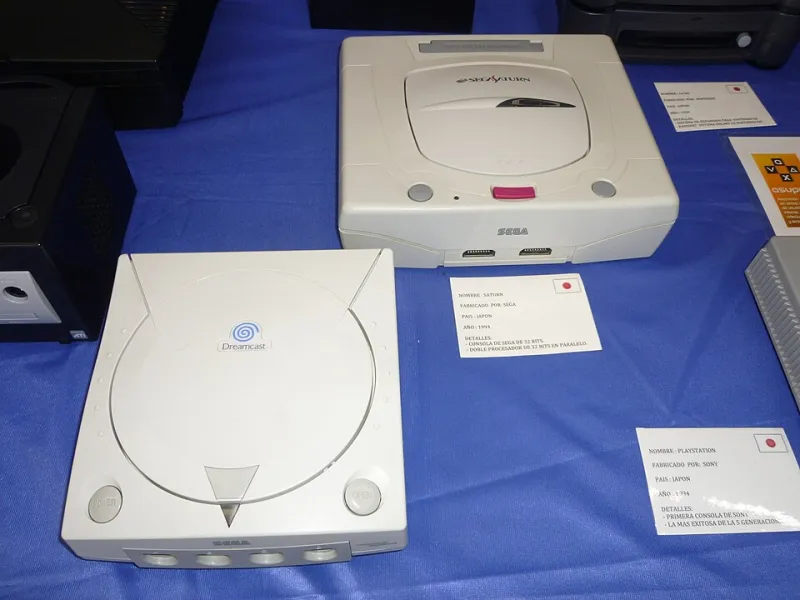
Photo: Chapuisat from España, CC BY 2.0, via Wikimedia Commons
There's a moment in Shenmue that lives rent-free in the head of anyone who played it in 1999: Ryo Hazuki, teenage martial artist on a quest to avenge his father, standing at a bus stop in Yokosuka, waiting. Not fighting. Not exploring a dungeon. Waiting for a bus he might miss if he lingers too long at the arcade playing Space Harrier.
At the time, it felt like nothing short of sorcery. Twenty-five years later, it feels like the moment the modern open world was born — and the moment a lot of developers quietly decided they'd rather not do it that way.
The Game That Blew Its Budget on Weather
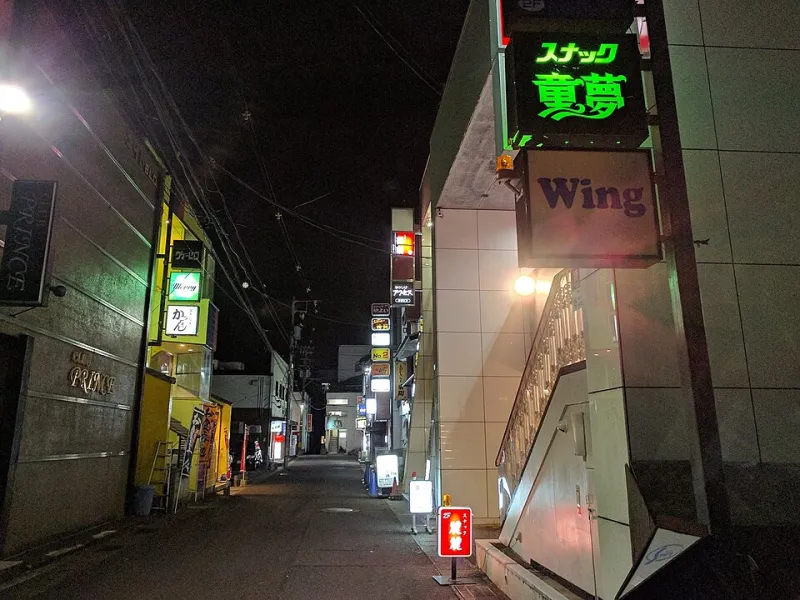
Yu Suzuki and AM2 reportedly spent around $70 million making Shenmue, at one point the most expensive video game ever produced. Sega never recouped it. You can see every yen on screen. The Dobuita district isn't a game level; it's a reconstruction of a real neighborhood, down to the vending machines, the smoking salarymen, and the candy shop that opens at 10 a.m. sharp and not a minute before.
That last part matters. Shenmue ran on a persistent clock. Shops kept hours. Characters had routines — the same office worker walks the same route to the same train every morning. Rain was seeded from actual 1986 weather data for Yokosuka. If you needed to talk to someone and they weren't home, the game didn't fast-forward them to you. You came back tomorrow.
Compare that to today's open worlds, where every NPC is a vending machine that dispenses quests on demand, and the difference is stark. Suzuki's design was inconvenient by design. It was also alive in a way that's still rare.
Mundane Chores as Character Development
Ask a random person about Shenmue and they'll probably mention forklift racing or the infamous 'Do you know where I can find some sailors?' line. The game's reputation for tedium is earned — you spend real in-game days moving crates at the harbor for pocket change.
But here's the thing the memes miss: the tedium is the character study. Ryo is a kid out of his depth, funding a revenge mission one shift at a time. The QTEs and the fighting get the trailers, but the quiet stretches — feeding the cat, practicing the same combat move in the park at dawn — are what make the finale land. When Ryo finally boards that boat at the end of the first game, it doesn't feel like a level transition. It feels earned.
You can draw a straight line from that design philosophy straight to Sega's own backyard. Yakuza took Shenmue's dense urban districts and small-scale human drama and compressed the downtime into something punchier. Kamurocho is Dobuita with the clocks tuned for modern attention spans. Every Kiryu karaoke night and Ichiban side quest owes a debt to a game that asked you to wait for a bus.
The Open World That Refused to Copy Its Homework
Here's the uncomfortable part: the industry took the wrong lessons. Shenmue proved players would tolerate slow pacing in exchange for a believable world. What publishers heard was 'players will buy anything with a map and question marks.' The result is two decades of open worlds that are enormous and weightless — thousands of collectibles, zero reason to remember a single NPC's name.
Shenmue's world was small. Dobuita is a few hundred meters of street. But you knew it. You knew which shopkeeper gossiped, which alley cat liked you, which slot machine ate your yen. Density beat scale, decisively, and the games that still get called 'immersive' — from Kingdom Come: Deliverance to the NPC-routine systems in modern Zelda entries — are all chasing a version of that 1999 idea.
Why Ryo Deserves Another Look in 2024
The timing for a reappraisal is better than ever. Shenmue I & II are readily available on modern platforms, so there's no hardware excuse anymore — a far cry from the days when playing the original meant hunting down a Dreamcast and a copy that didn't cost collector prices. Shenmue III finally arrived in 2019, imperfect but sincere, and the Yakuza/Like a Dragon series has gone from cult import to mainstream US success, proving that Sega's slowest, strangest vision of an open world was never a dead end. It was just early.
Ryo Hazuki isn't a power fantasy. He's a polite, slightly awkward teenager who says 'thank you' to convenience store clerks and practices the same punch ten thousand times because his father told him to. In an era where open-world protagonists are mostly blank slates for power trips, there's something quietly radical about a hero whose superpower is showing up on time.
The bus is still coming. It might be worth waiting for.