Ichiban Kasuga Is the Reincarnation of Everything Sega Used to Be
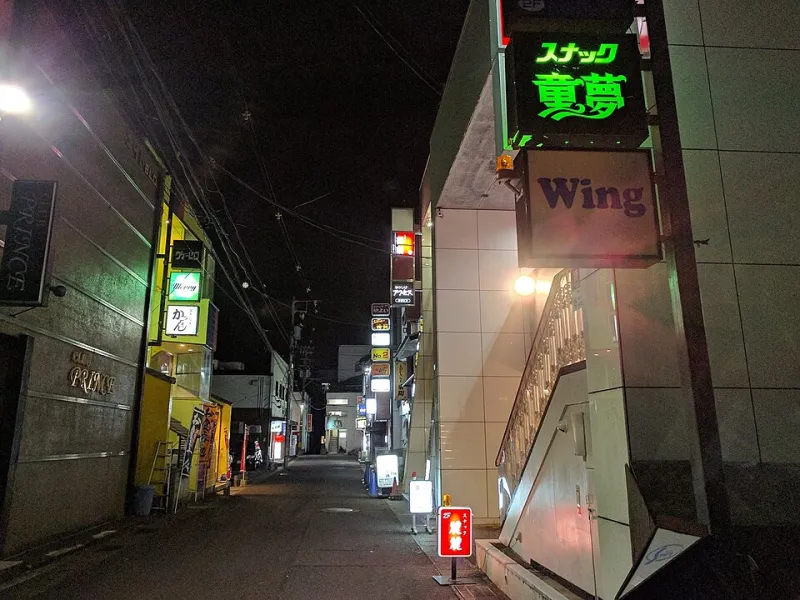
Photo: NevinThompson, CC BY-SA 4.0, via Wikimedia Commons
There's a moment in Yakuza: Like a Dragon where Ichiban Kasuga, a middle-aged ex-con with a bird's nest of hair and a heart of pure gold, realizes he sees the world like a video game. Battles look like turn-based RPGs. Enemies look like goombas. It's ridiculous. It's heartfelt. It's the single most Sega thing ever committed to disc.
And it almost never happened in the West.
The Franchise America Wasn't Supposed to Get
When the original Yakuza launched on the PlayStation 2 in 2006, Sega's American arm barely knew what to do with it. The marketing leaned hard into the crime drama angle, the localization was serviceable at best, and the series settled into a strange limbo: respected by a small cult audience, ignored by everyone else.
Yakuza 3 nearly didn't make it over at all. Sega of America reportedly passed on it, and it took a genuine fan campaign — letters, petitions, the whole nine yards — to convince the company the audience existed. That's not a marketing strategy. That's a leap of faith, taken by fans first and a corporation second.
That pattern repeated. Yakuza 4 and 5 arrived late, incomplete, or not at all for years. The series' deep Japanese cultural context — hostess clubs, kabuki districts, the specific rhythms of Kamurocho nightlife — was seen as a liability for the US market. Sega treated it like a niche product, because for a long time, they had no reason not to.
The Turning Point Nobody Saw Coming
Then two things happened.
First, Yakuza 0 landed in early 2017 and became a word-of-mouth phenomenon. American players discovered what Japanese fans already knew: beneath the serious crime drama was a game where you could sing karaoke, collect pocket circuit racing parts, and help a dominatrix learn her craft. The tonal whiplash wasn't a bug. It was the whole point.
Second, Sega did something genuinely brave: they let Kiryu go. Kazuma Kiryu wasn't just the face of the franchise — he was the franchise. Retiring your most iconic character for a brand-new, unknown protagonist is the kind of decision that gets executives fired if it fails.
Ichiban and the New Sega
Yakuza: Like a Dragon worked because it committed completely. The shift to turn-based combat was a nod to the Dragon Quest games Ichiban loves, but it was also a statement: Sega would rather reinvent a successful formula than coast on it.
Since then, the momentum has been relentless. Yakuza: Like a Dragon sold well enough in the West to become a genuine franchise pillar. Spin-offs like Judgment found their own American audience. Like a Dragon: Infinite Wealth launched day-one in the US with full English dub support — something the 2006 version of this series would've waited years for, if it got at all.
The Ghost of the '90s
Here's why this matters beyond one franchise. Think about what Sega was in the '90s: the company that released a 32-bit add-on, then a next-gen console, then a next-next-gen console, all within about three years. The company that put a screaming editor-in-chief in its commercials. The company that greenlit NiGHTS, Panzer Dragoon, and Shenmue — games with no clear commercial precedent.
That Sega went dormant after the Dreamcast era. The 2000s Sega was cautious, licensing-happy, and slow to trust its own studios.
The Yakuza series' Western rise is the clearest evidence that the old Sega is back. It's a long-form Japanese RPG series with a protagonist who retired, a tone that swings from sobriety to absurdity mid-mission, and a fanbase that literally had to petition for localizations. No committee greenlights that. Somebody at Sega took a chance, over and over, and kept doubling down.
The hardware era is over — Sega will probably never make another console. But the spirit of Sega, the willingness to ship something weird because it might be wonderful, is alive and well in Ichiban Kasuga's ridiculous, wonderful world.
That's a legacy worth celebrating. Now if you'll excuse us, we have some karaoke to get back to.