The Genesis Didn't Win: Ranking Sega's Consoles From Bottom to Top
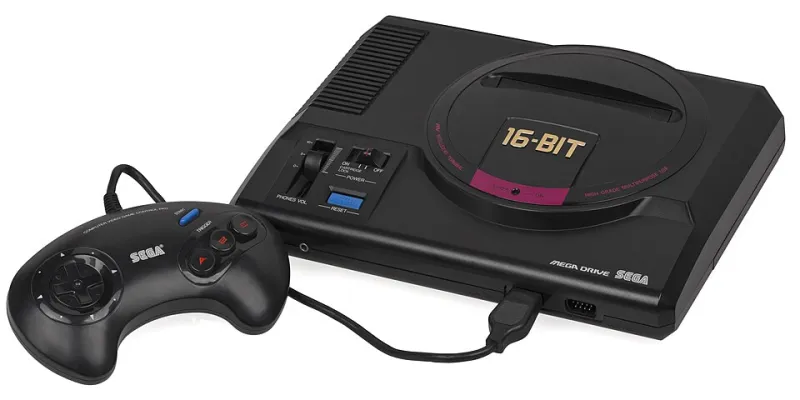
Photo: Evan-Amos, Public domain, via Wikimedia Commons
Sega has made a lot of machines. Some were legendary, some were expensive paperweights, and at least one was a VCR that played games. After one too many arguments in the Sega Central inbox, we decided to settle it: every Sega console, ranked from worst to best.
Grab your flame shield. Let's go.
8. Sega CD — The Expensive Detour
The Sega CD had real potential on paper: CD-quality audio, full-motion video, bigger games. What it actually delivered was a pile of grainy FMV titles and a $299 price tag that stung like a hornet in 1992 America.
There were bright spots — Sonic CD is a genuine classic, and Lunar and Popful Mail hinted at what could've been. But the library was thin, the add-on model was confusing, and most kids who asked for one that Christmas got a very awkward silence instead.
7. SG-1000 — The One Nobody Remembers
Sega's first console deserves respect for existing at all, but that's about where the praise ends. Launched the same day as the Famicom in Japan, it was outclassed immediately and barely registered in the US market at all.
Historically important? Sure. Fun to revisit? Only if you really, really love Congo Bongo.
6. Game Gear — The Battery Black Hole
The Game Gear was technically superior to the Game Boy — a full-color screen in 1991 was a genuine flex. It was also a portable that devoured six AA batteries like a hungry teenager at a buffet and weighed about as much as a brick.
Still, we have fond memories. Shining Force, Sonic Chaos, and that glorious screen made the back pain and the battery budget worth it, at least for a while.
5. 32X — The Mushroom of Regret
The 32X is usually the punchline, and honestly, it earned most of that reputation. Launching a $159 add-on months before the Saturn was corporate malpractice, and it left a lot of American families with a very shiny dust collector.
But here's a hot take: the tiny library that did ship was better than its reputation. Knuckles' Chaotix is a fascinating curio, and the Virtua Racing port was genuinely impressive. It's a bad product with a decent footnote.
4. Master System — The Underdog That Deserved Better
In America, the Master System was the kid who got picked second in gym class, permanently stuck in the NES's shadow. But dig into the library and you'll find legit gems: Phantasy Star, Wonder Boy III, Alex Kidd in Miracle World.
In Europe and Brazil, this thing was a titan — it's still sold in Brazil in some form to this day. American collectors know the truth: the Master System quietly built the DNA for everything great Sega did after.
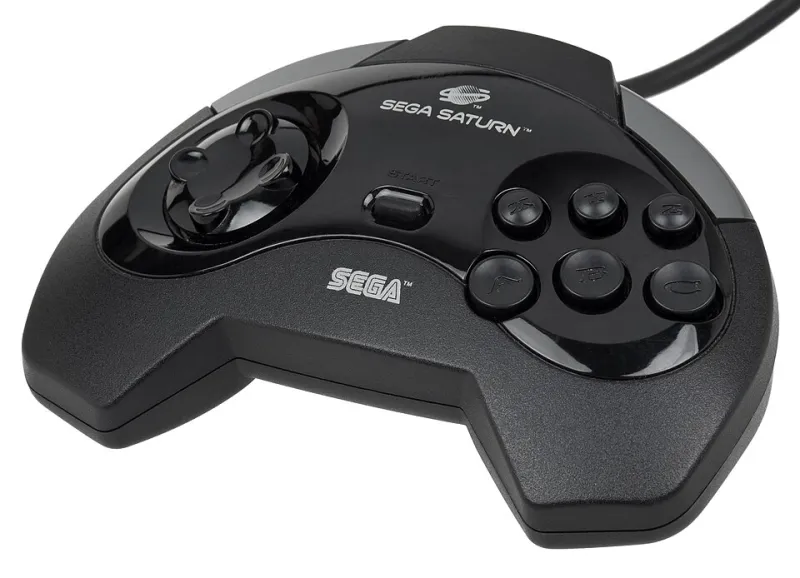
3. Saturn — The Tragic Genius
The Saturn is Sega's beautiful disaster. A surprise launch that blindsided retailers, a $399 price tag, a 2D powerhouse that arrived just as 3D took over the world. By any business metric, it was a failure in the US.
But the library? The library is incredible. Panzer Dragoon Saga, NiGHTS into Dreams, Radiant Silvergun, Guardian Heroes, and the best arcade ports this side of a Neo Geo cabinet. The Saturn is the console you defend at parties. We get it. We're the same.
2. Genesis — The Console That Made Sega a Legend
"Genesis does what Nintendon't." That slogan alone earns a top-two spot. The Genesis wasn't just a console; it was an attitude, a whole era of American marketing bravado, a mascot with 'tude, and a library stacked with all-timers.
Sonic the Hedgehog 2 sold to what felt like every household in America. Streets of Rage 2, Gunstar Heroes, Phantasy Star IV — the Genesis era is when Sega felt like a company that would try anything.
So why isn't it number one? Because of what came after...
1. Dreamcast — The Crown Jewel
Yes, we said it. The Dreamcast is the greatest console Sega ever made, and it's not actually close.
Look at the launch lineup: Soulcalibur looked like sorcery in 1999. Then came Jet Set Radio, Shenmue, Crazy Taxi, Skies of Arcadia, Phantasy Star Online — one of the first console online experiences in America, years before Xbox Live made it mainstream. The VMC memory card with its own screen was years ahead of its time.
The Dreamcast died young, killed by piracy, the PlayStation 2 hype train, and Sega's own exhausted finances. But ask anyone who owned one. Ask the indie devs still making Dreamcast games. Ask why Sega keeps remaking and rereleasing its Dreamcast catalog.
The Genesis made Sega famous. The Dreamcast proved Sega was fearless. That's why it takes the crown — and yes, you can fight us in the comments.
Agree? Disagree? Good.
Ranking lists are meant to start arguments, and we'd love to hear yours. Drop your own tier list in the comments, and if you put the 32X anywhere above dead last, please explain yourself.