Hands on the Wheel: Rebuilding the Sega Arcade Ritual in My Living Room
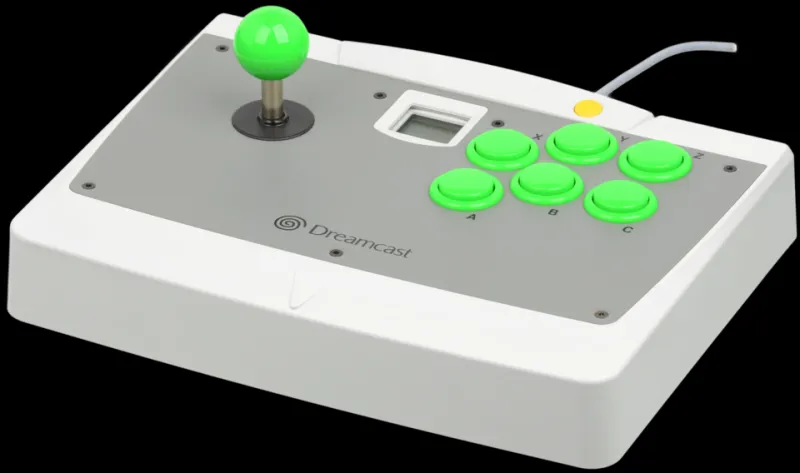
Photo: Evan-Amos, modified by Gunnar.offel, Public domain, via Wikimedia Commons
There's a moment in every round of Crazy Taxi that doesn't exist on a touchscreen. It's the half-second where your palm settles onto the stick, your fingers find the shift button, and your brain remembers: this is a machine, and you are driving it. You don't get that from a controller. You definitely don't get it from swipe controls. You get it from steel, microswitches, and a little bit of ritual.
After years of playing Sega's arcade catalog the lazy way, I spent the last few months rebuilding the experience properly. Here's what I learned — including where the money actually matters.
Why the Physical Thing Changes the Game
Sega's arcade classics were designed around their cabinets. Crazy Taxi's steering feel, OutRun's gear-shift rhythm, the hammering urgency of Virtua Cop — these weren't abstract game mechanics, they were physical conversations between you and hardware built to survive a decade of teenagers in a New Jersey boardwalk arcade.
When you play them on a real arcade stick, even the emulated versions feel different. Not because the code changed, but because your body changed. The stick forces commitment. There's no thumb-hover ambiguity. You either threw the gear or you didn't.
The 2025 Buyer's Guide, Three Budgets Deep
Tier One: The Entry Ritual (under $100). A solid mid-range fight stick — the 8BitDo Arcade Stick or a used Hori RAP — gets you authentic-feeling microswitches and a proper ball top. Pair it with the Sega Ages releases on Switch or the Genesis/arcade collections on modern consoles. This is 80% of the experience for a fraction of the cost. The compromise: these games mostly expect analog steering, and a digital stick can't fake it. Crazy Taxi works fine. Sega Rally 3 does not.
Tier Two: The Enthusiast Build ($200–$600). This is where it gets fun. Sanwa JLF sticks and OBSF buttons, a modular fight stick with swappable parts, or — the sleeper pick — a used Naomi-to-JAMMA setup paired with a good upscaler like the RetroTINK. Suddenly Crazy Taxi isn't an emulated approximation; it's the actual board running the actual code, warts and all, including the attract-mode music you've had stuck in your head since 2001.
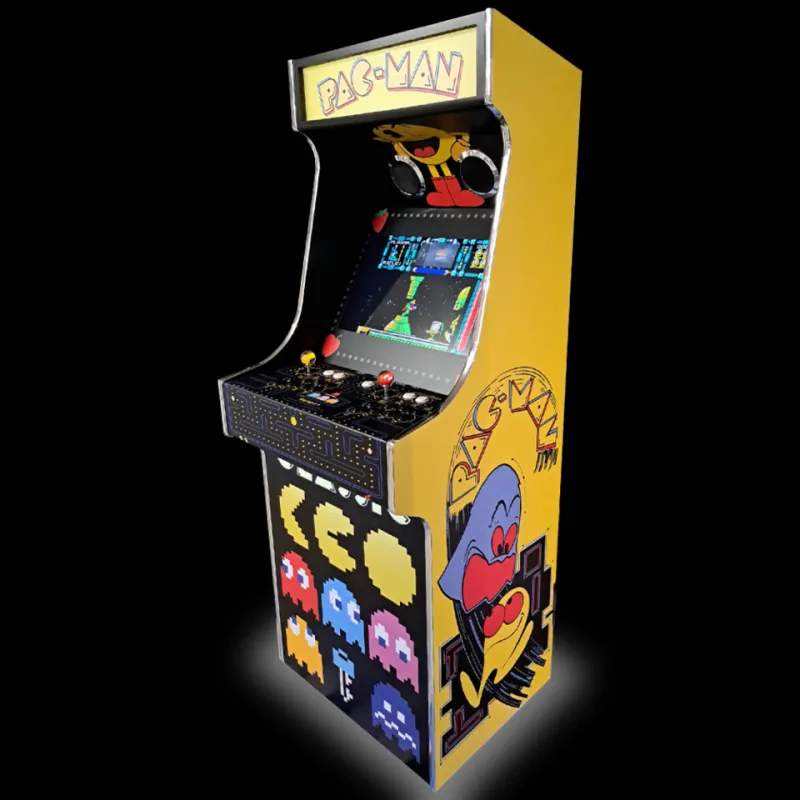
Tier Three: The Cabinet Truth ($1,500 and up, forever). Original candy cabinets (the Sega Naomi universal cabinets show up on Craigslist and at midwest arcade auctions more often than you'd think), or high-end recreations. Yes, this costs more than some used cars. No, I'm not going to pretend otherwise — our own previous coverage of Sega collecting economics already broke down that pain.
Where the Compromises Actually Show
Emulation is astonishing in 2025, but the seams show in specific places:
- Input latency. Modern Fightcade and MiSTer setups are under a frame of lag. Budget plug-and-play mini cabinets? Sometimes six or more. For a game like Crazy Taxi, where the whole loop is reaction-based, you feel it in your wrists.
- Sound. The YM2612 and its arcade siblings are notoriously touchy to emulate. Cheap setups flatten the bass and smear the drums. If you know the soundtrack, you know within ten seconds.
- The screen. CRT shaders on a 4K OLED are genuinely great now. But a real low-resolution tube has a glow — scanlines that bloom instead of sitting flat. Purists will fight about this until the heat death of the universe.
The Part You Can't Buy
Here's the honest caveat: even a perfect Tier Three setup is missing something. The arcade was a public place. The crowd, the smell of fryer oil, the kid watching over your shoulder waiting for his turn — that social pressure was part of the design. Sega's best arcade games make you perform, and performing alone in a living room at 11 p.m. is a different, quieter pleasure.
But it's still a pleasure. The ritual of standing up, feeding the game a credit, gripping the stick with your whole arm instead of your wrist — that's the part worth recreating. In an era where every game is a subscription and every save is in the cloud, Crazy Taxi on real hardware asks something of you. And it gives something back.
Start small. Get a stick. Put it somewhere you have to stand to use it. See what happens.