The Arcade Cabinet Costs More Than a Camry: Inside the Strange Economics of Sega Collecting
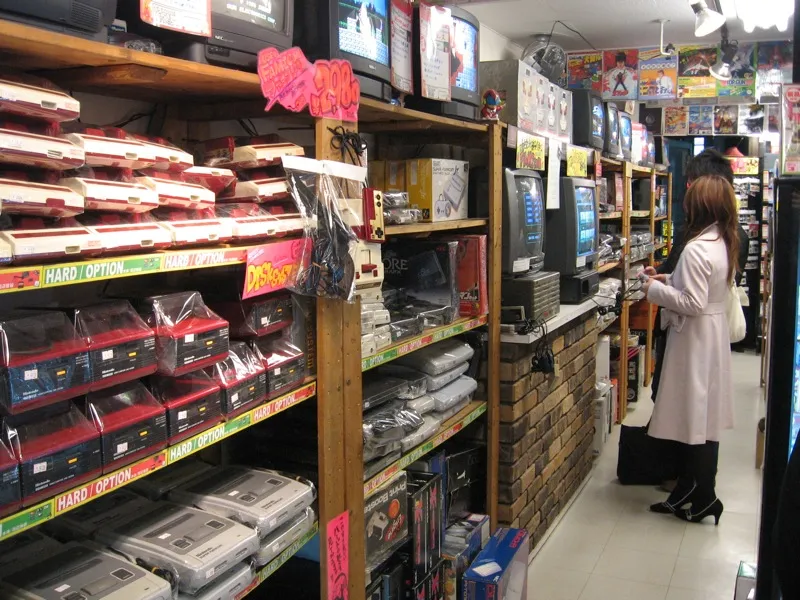
Photo: Nicholas, CC BY 2.0, via Wikimedia Commons
There's a running joke among game collectors that if you want to feel poor, attend a retro auction. If you want to feel specifically poor and slightly confused, attend one and watch a Sega Daytona USA twin cabinet sell for the price of a used Honda Civic. Twenty years ago, that same cabinet was a freebie — the thing your local arcade practically paid people to haul away.
Welcome to Sega collecting in 2024, where the secondary market has gone from garage-sale scraps to genuine asset class. And yet, weirdly, it's still the discount bin of nostalgia. Let's talk about why.
The Market Went Nuclear While Nobody Was Looking
The pandemic-era collecting boom is old news at this point, but Sega-specific memorabilia had its own quiet detonation. Sealed copies of Sonic the Hedgehog 2 have cracked five figures at major auctions. Complete-in-box Saturn libraries — once given away at estate sales — now trade like fine wine, with titles like Panzer Dragoon Saga routinely clearing $1,000 or more loose, let alone boxed.
And the arcade side? That's where things get genuinely absurd. Sega's Model 1, 2, and 3 boards powered the definitive arcade era of the '90s, and surviving cabinets are becoming scarce. A working Daytona USA twin, Virtua Racing deluxe, or Sega Rally championship cab can command anywhere from $4,000 to well north of $10,000 depending on condition. Shipping a 600-pound monster from a defunct arcade in Ohio to your basement in Texas adds another grand, minimum.
The economics here are simple supply and demand. Arcades collapsed in the late '90s and early 2000s, and most cabinets were scrapped, stripped, or waterlogged in a shuttered mall somewhere. What survived is finite, and the generation that pumped quarters into these machines now has disposable income and a garage.
So Why Is Sega Still Trading at a Discount?
Here's the part that puzzles newcomers: compare any Sega collectible to its Nintendo equivalent and the Sega item is almost always cheaper. A sealed Super Mario Bros. is a museum piece worth six figures. A sealed Sonic 2 — a game that sold more copies — is a rounding error by comparison.
A few reasons, I'd argue:
Nintendo won the console war. Sentiment follows market share. The NES and SNES were the default American childhood for millions; the Genesis was the cool alternative. Nostalgia premiums attach to the mainstream memory, and Sega — despite its swagger — was always the underdog in the US living room.
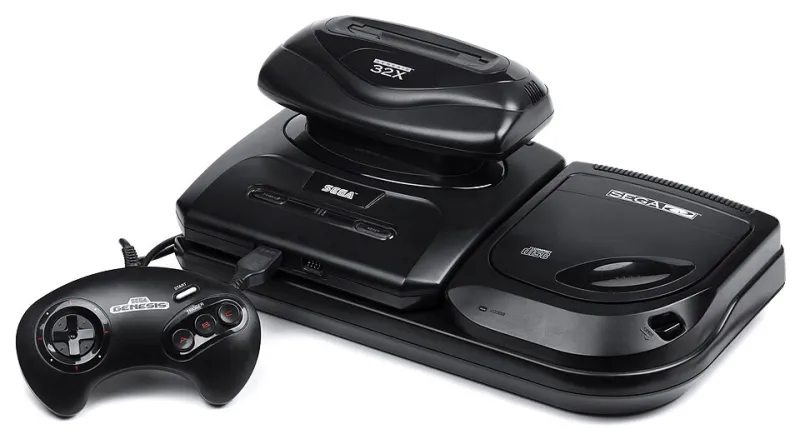
Sega's library was scattered. Nintendo collectors can focus on one or two cartridge formats. Sega collectors face the Genesis, 32X, Sega CD, Saturn, and Dreamcast — five fragmented ecosystems, each with its own hardware quirks and regional messes. Fragmented markets mean shallower demand on any single item.
The hardware didn't survive. Sega consoles were built cheaply in the later years, and the Saturn's and Dreamcast's capacitors and disc drives age like milk. A mint-in-box Nintendo console is durable goods; a Saturn is a ticking clock.
What the Smart Money Is Hunting Right Now
I'm not a financial advisor and this is absolutely not investment advice — but if you're collecting because you love this stuff anyway, here's where value still looks lagging:
-
Model 2 arcade cabs in original condition. Prices are climbing, but original, unconverted cabinets — especially Daytona USA and Sega Rally — remain far cheaper than comparable Nintendo Playchoice or rare JAMMA titles. The window on shippable, restored examples is closing.
-
Dreamcast complete-in-box first-party titles. Jet Set Radio, Crazy Taxi, Space Channel 5 — the Dreamcast's brand is stronger culturally right now than its market prices suggest. Boxed first-party US releases are still attainable.
-
Sega Arcade stick and peripheral hardware. The Genesis/Mega Drive accessories ecosystem — the Menacer, the Activator (a joke then, a curiosity now), original arcade sticks — trades for a fraction of what NES-era peripherals command.
-
Retail signage and store displays. This is the sleeper category. Original Genesis kiosk signage, Saturn store banners, and Dreamcast launch displays were thrown out en masse and almost nobody was collecting them in 2005. Ask anyone who bought a Nintendo store display in 2015 how that worked out.
The Nostalgia Curve Hasn't Peaked Yet
The demographic math is the real engine here. The kids who grew up on the Genesis and Saturn are hitting peak earning years, while the Nintendo generation's buying frenzy already happened in the 2010s and early 2020s. Sega's nostalgia wave is, in a sense, arriving late — which means the discount may not last forever.
There's also a contrarian cultural factor. Sega's failure is now part of its charm. The Dreamcast's tragic early death, the 32X's glorious absurdity, the Saturn's botched US launch — these are stories collectors want to own physically. Nintendo's history is a victory lap; Sega's is a comeback narrative with great merch.
The last Blockbuster store in Bend, Oregon famously still has a Sonic poster on the wall, a relic of the era when Sega's blue blur sold everything from cereal to sneakers. That poster is worth approximately nothing. The feeling it captures — Sega as a lifestyle brand that saturated American childhood — is worth quite a lot more.
Collect what you love, obviously. But if you love Sega, the market is currently agreeing with you at a discount. That won't always be true.