Too Good for Its Own Launch: Sega's Long Habit of Releasing Masterpieces Nobody Bought
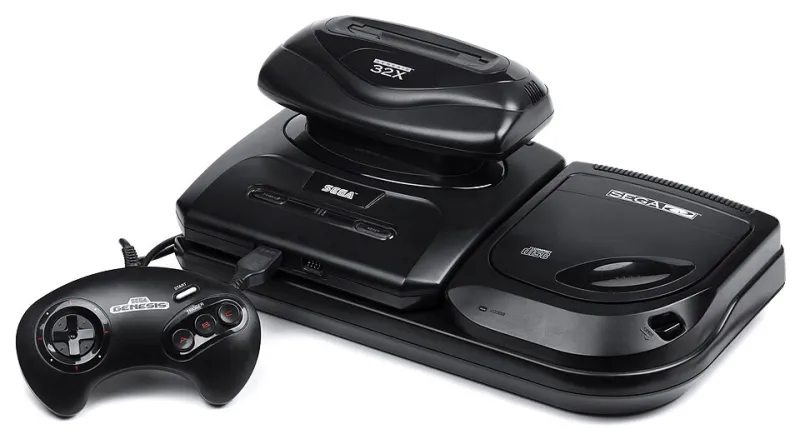
Photo: Evan-Amos, Public domain, via Wikimedia Commons
There's a certain kind of Sega game that every fan knows by heart. Not the one that sold millions. The one that sold almost nothing — and is now spoken about in hushed tones on forums, at retro conventions, and in YouTube video essays with titles like "The Game That Doomed Sega."
It happened with Ristar. It happened with Panzer Dragoon Saga. It happened with Jet Set Radio Future. And if you zoom out far enough, you start to see that this isn't bad luck. It's a pattern — maybe the defining pattern of Sega's creative history.
The Sequel That Nobody Asked For Was the Good One
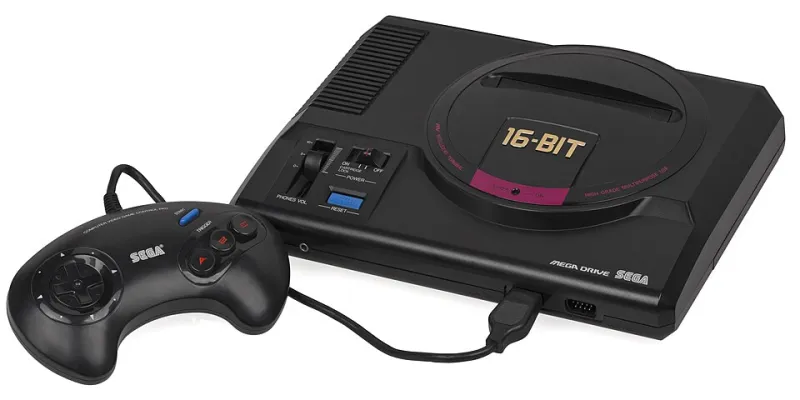
Start with Ristar, released in early 1995. By then, the Genesis was already being shadowed by the Saturn, and Sonic had become such a colossus that every platformer Sega shipped was measured against him. Ristar wasn't a Sonic game. It was slower, stranger, built around a stretching-arms mechanic that felt genuinely novel. Critics liked it. Shoppers shrugged. Today it's widely considered one of the most inventive platformers of the 16-bit era, and it's the one your friend with a Genesis mini keeps insisting you play.
Then there's Panzer Dragoon Saga, the Saturn's swan song in America. Sega of America reportedly shipped more copies of NFL Primetime that year than of Saga. The game itself? A real-time/turn-based hybrid combat system that still hasn't really been matched, wrapped in a melancholy story about mortality and loss. It arrived in a run of a few thousand copies in the US, which is why complete copies now trade hands for more than the Saturn cost new.
And Jet Set Radio Future — bundled with Xboxes in Japan and later in the US as a pack-in, which is a polite way of saying Microsoft practically gave it away — remains one of the most influential games of its generation. Every cel-shaded "vibe" game since owes it a debt. In 2002, it was a curiosity.
Timing Is a Cruel Thing
The common thread isn't quality. It's placement.
Sega's best games tended to arrive at moments of transition: the tail end of a console's life, the awkward first year of a new one, or trapped on hardware nobody owned. Saga launched as the Saturn was effectively dying in the West. Ristar launched while everyone's attention had already drifted to the next generation. JSRF launched on a console that Sega didn't even make anymore, as a guest at someone else's party.
There's a version of this story where Sega is simply a victim of bad scheduling. But I think it's something more interesting than that. Sega's culture — especially in the '90s, in the era of internal teams competing with each other — rewarded risk. The Sonic team got the budget and the marketing. Everyone else got to experiment. That structure produced Nights, Burning Rangers, Ristar, Saga, Jet Set Radio. It also produced games that marketing departments had no idea how to sell, because "it's like nothing else" is a terrible tagline in a holiday retail season.
American shelves in the '90s were a brutal environment for that approach. Electronic Boutique and Funcoland clerks steered kids toward the names they recognized. A game like Saga needed a month of word of mouth to click — and it got two weeks before Sega began winding down Saturn support entirely.
The Pattern Didn't Die With the Dreamcast
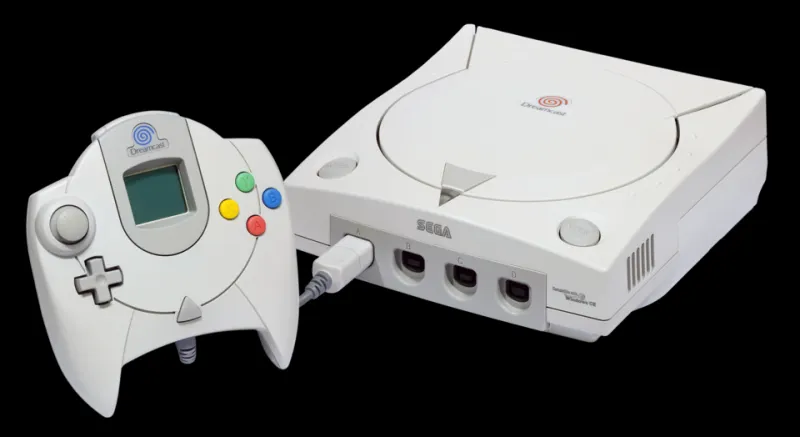
Here's the uncomfortable part: this didn't stop when Sega left the hardware business. It just changed shape.
Shenmue sold poorly enough on Dreamcast that the sequel barely escaped Japan and Europe. Yakuza languished for years in the West as a niche curiosity — until Yakuza: Like a Dragon finally cracked the mainstream by changing protagonists, of all things. And Sonic Frontiers only worked, by Sega's own admission, because years of mixed Sonic output forced the company to stop and reconsider what a Sonic game even was.
Sega's commercial instincts and creative instincts have never fully synced up. The games that define the company in retrospect are almost never the games that defined its quarters. That's frustrating for the accountants. It's also why we're still talking about Sega thirty years after the Genesis wars, while some of its better-selling contemporaries have faded into trivia.
What This Predicts for the Next Generation
So what does this history say about Sega's future? Honestly, it's cause for cautious optimism.
Sega's current management has been unusually willing to greenlight oddities — remakes of forgotten properties, new entries in dormant series, an annual rhythm that treats back-catalog as an asset rather than embarrassment. If the pattern holds, the company's next beloved classic is probably sitting in development right now as a project nobody in marketing is excited about, scheduled for a release window that makes no sense.
The difference this time is that the aftermarket can save things. Digital storefronts, re-releases, and a US audience that has fully embraced retro collecting mean a Ristar no longer has to die in 1995. It can find its audience in 2030. Sega's curse was always that its best ideas arrived too early. The modern industry's gift is that nothing arrives too early anymore — it just arrives before the audience catches up.
Somewhere at Sega right now, there's a weird game with a confusing pitch. Based on everything this company has ever done, that's the one you'll be begging your friends to play in a decade. Buy it the first time. Learn from our mistakes.