Forget the Hedgehog: Nights, Ristar, and the Strange Genius Hiding Inside Sonic Team
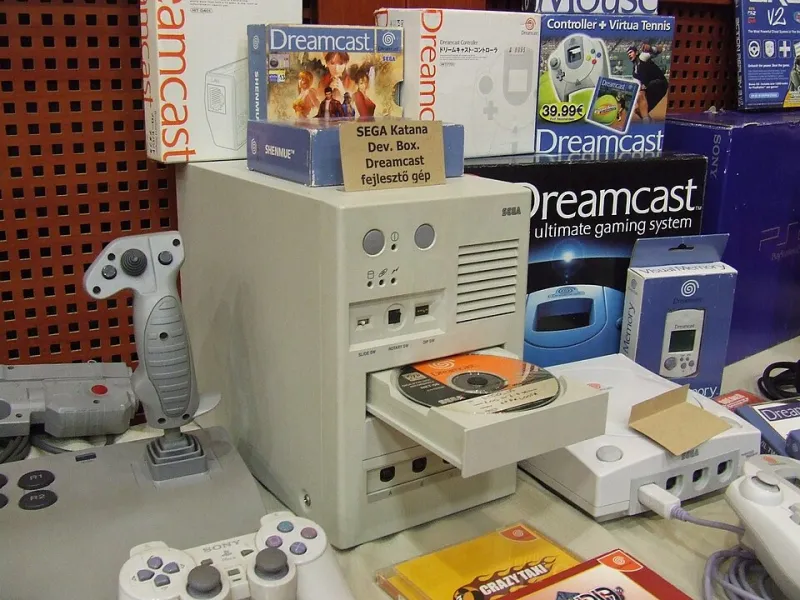
Photo: Christo, CC BY-SA 4.0, via Wikimedia Commons
Ask anybody on the street what Sonic Team makes and you'll get one answer: Sonic. Fair enough. The hedgehog carried Sega through the Genesis wars, survived the Dreamcast collapse, and is still headlining movies that outgross half the MCU. But if you only know Sonic Team for Sonic, you've been listening to the greatest hits album while skipping the deep cuts entirely.
And the deep cuts? That's where the interesting stuff lives.
Ristar: The Shooting Star Nobody Asked For
Released near the tail end of the Genesis's life in 1995, Ristar arrived when everyone had already moved on to the 32-bit conversation. Bad timing for a gorgeous platformer about a star-shaped kid who attacks with extendable hands.
And those hands matter. Where Sonic is all momentum and reflexes, Ristar is about grabbing — latching onto enemies, swinging from hooks, climbing walls by feel. It's tactile in a way the hedgehog never was, almost closer to a wrestling game wearing a platformer costume. The soundtrack alone, courtesy of Tomoko Sasaki, is worth the price of a used copy.
It sold modestly, got a Game Gear version nobody remembers, and vanished. But play it today on a modern collection and it holds up shockingly well — arguably better than some of the rushed Sonic Genesis entries it was overshadowed by.
Nights Into Dreams: Flying Into the Saturn's Swan Song
Here's the pattern you start to notice: Sonic Team's weirdest ideas kept landing on dying hardware.
Nights into Dreams shipped in 1996, right as the Saturn was losing the console war in America to the PlayStation. Yuji Naka and Takashi Iizuka built something genuinely strange — a free-flying game about two kids processing their dreams, guided by a genderless jester, scored to a dynamic soundtrack that shifted with your performance. There was nothing to compare it to then, and honestly, there's nothing to compare it to now.
The Saturn 3D control pad that shipped with it was Sega's first analog stick, a full year before the DualShock. American gamers mostly shrugged. Japan noticed. The game became a cult touchstone, got a 2007 sequel that nobody talks about, and still pops up in every "Sega please remake this" thread on Reddit.
Burning Rangers: Fighting Fires on a Dead Platform
Which brings us to the most tragic entry: Burning Rangers, 1998, months before Sega pulled the plug on the Saturn in the West.
Instead of guns, you got fire extinguishers. Instead of killing, you rescued — leading trapped civilians to safety while suppressing flames in translucent, pseudo-3D corridors that pushed the Saturn way past its comfort zone. It's a game about helping people, from the company that spent the decade teaching American kids to blast badniks.
The controls were janky, the visuals were a smoky mess by design, and it came out on a console with a tiny install base. It's also one of the most original action games of the 32-bit era. Copies are rare and pricey now — this is one of those Saturn titles that genuinely commands collector money.
Billy Hatcher: The GameCube's Strangest Rental
By 2003, Sonic Team was on Nintendo hardware, and somebody greenlit Billy Hatcher and the Giant Egg. You roll a giant egg around. You hatch it for power-ups. Sometimes you ride the egg. It's Phantasy Star Online's engine wearing a cartoon chicken costume.
It's also charming as heck, with a sunny Yuji Naka-composed soundtrack and puzzle design that rewards the kind of weird experimentation nobody expected from the studio in the post-Dreamcast slump. It flopped commercially and became a GameStop bargain bin staple, which honestly might be how half of America played it.
What the B-Sides Tell Us
Line these games up and a thesis emerges: Sonic Team's non-Sonic work is consistently about motion as feeling — flight, grabbing, rolling, rescuing — rather than speed for its own sake. The hedgehog was the brand. These games were the curiosity.
And that curiosity is exactly what's missing from the modern Sega catalog. We got Sonic Mania and Sonic Frontiers, both welcome, but Nights, Ristar, and Burning Rangers have been largely left in the vault. A modern collection, a remake, anything — the appetite is clearly there.
Until then, the emulators and the secondhand market are your friends. Just don't tell Sega we told you about the Saturn game prices.