The Hedgehog Ate My Breakfast: How Sega Branded Every Inch of American Childhood
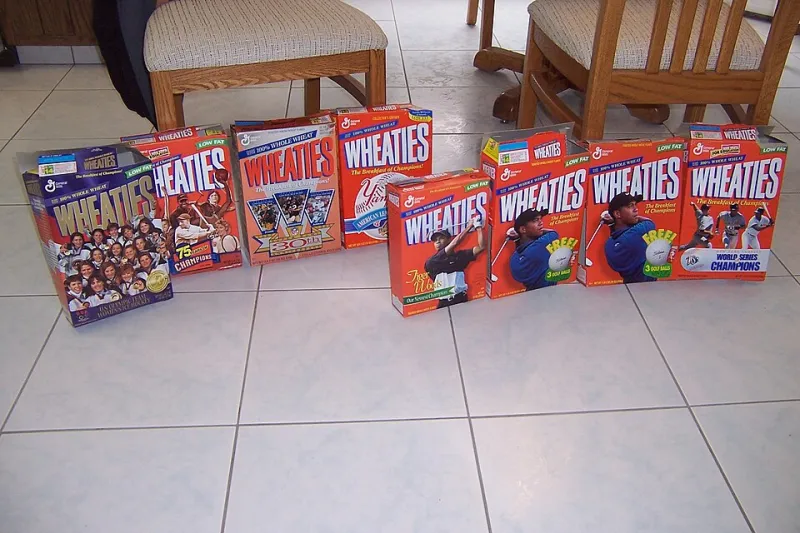
Photo: Wasted Time R (talk), Public domain, via Wikimedia Commons
Ask anyone who grew up in America in the early '90s what Sega meant to them, and odds are good the answer won't start with a Genesis. It'll start with a cereal bowl. A pair of high-tops. A tube of pogs slammed against the cafeteria table. Sonic the Hedgehog wasn't just a video game character back then — he was a lifestyle, and Sega made sure of it by putting his face on practically everything a kid could beg their parents for.
It's easy to forget, three decades later, just how aggressive that merchandising push was. But digging back through it reveals something kind of remarkable: Sega may have lost the console war, but for a few years there, it absolutely won the toy aisle.
Breakfast of Champions (Of the Console War)
Start with the cereal, because it's the perfect symbol of the whole era. Sonic the Hedgehog Cereal hit shelves in 1993 — a sugary, star-shaped offering that had absolutely nothing to do with rings or chili dogs, and nobody cared. It sat on the shelf next to Nintendo's own breakfast entry, because yes, that happened too. Even your morning meal was a battlefield.
The box promised a free sticker inside, which was the standard currency of childhood at the time. Was the cereal good? It was cereal. It tasted like blue and sugar, which is what every cereal tasted like in 1993. The point was never the taste. The point was that Sonic was there at your kitchen table before school, every day, even on mornings you couldn't touch the Genesis.
That's the genius of the whole strategy. Sega understood that a kid's brand loyalty isn't built in front of the TV alone — it's built everywhere, all the time.
The Pogs, the Pencils, and the Playground Economy
Then came the pogs. Milk caps were already a national obsession by 1994, and Sega — never a company to miss a bandwagon — flooded the market with Sonic pogs featuring the hedgehog, Tails, Knuckles, and Dr. Robotnik looking, frankly, more menacing on a cardboard disc than he ever did in a game.
If you were in elementary school at the time, you remember the economy. A Sonic pog wasn't just a collectible; it was leverage. It was tradeable currency in the playground stock market. Sega didn't invent pogs, but they understood that getting their characters into the recess economy meant getting them into kids' hands for hours a day, no screen required.
And it didn't stop there. There were:
- Comic books from Archie that ran for over 25 years — longer than most of Sega's consoles lasted
- Backpacks, lunchboxes, and pencil cases that turned every school hallway into a Sega ad
- Trading cards, sticker albums, and plush toys stacked to the ceiling at Toys "R" Us
- A Saturday morning cartoon (two, actually, running at the same time) that kept the character on TV between gaming sessions
Every one of these reinforced the same message: Sonic was everywhere, so Sega must be everywhere. For a kid deciding between consoles, that mattered. The Genesis might have had fewer units in living rooms than the SNES, but in the collective imagination of American childhood, Sega was punching way above its market share.
The Sneakers Heard Round the Playground
The crown jewel of the whole operation might be the footwear. Sega partnered with companies to produce actual Sonic sneakers — high-tops with the hedgehog plastered down the side, sold in the same stores kids dragged their parents to for back-to-school shopping.
Think about what that means. Sneakers were the status symbol of the era. Michael Jordan had his shoes. And Sega — a video game company — decided it belonged in that conversation. Wearing Sonic sneakers to school in 1993 wasn't just fan behavior; it was a statement of allegiance in the great playground console debate. You were a Sega kid, and everyone could see it.
There's a real argument that this licensing blitz did more for Sega's American image than any single game or marketing campaign. "Genesis does what Nintendon't" was clever, but it aired during commercial breaks. The merchandising machine lived in every aisle, every lunchbox, every shoe store. It was ambient. It was inescapable. It made Sega feel like part of childhood itself rather than just a product within it.
The Part Nobody Talks About: It Worked Even When Sega Lost
Here's the thing worth sitting with. Sega's hardware story in the mid-'90s gets uglier by the year — the 32X, the Saturn, the whole tragic cascade. By 1997, the Genesis was clearly second fiddle in the US. And yet Sonic merchandise kept selling. The comics kept publishing. The character remained a fixture of American kid culture regardless of what was plugged into the TV.
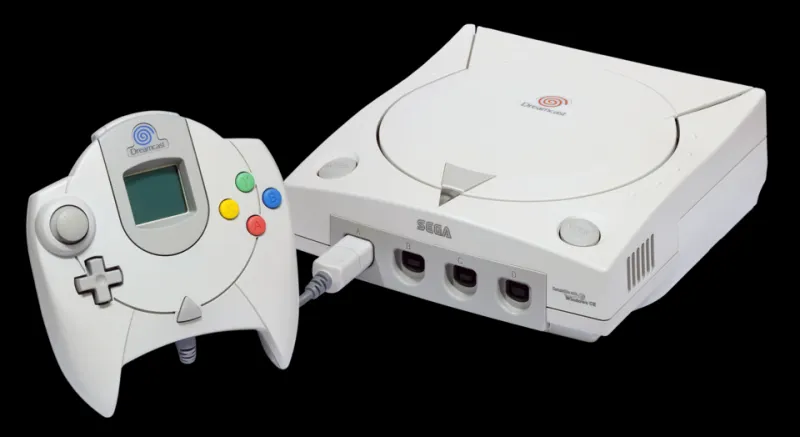
That's the actual lesson buried in the cereal box: merchandise decoupled the brand from the hardware. Sega built a character so thoroughly embedded in everyday life that the fortunes of any single console couldn't take him down. It's why Sonic survived the Dreamcast's death, the company's exit from hardware, and two decades of inconsistent games. The hedgehog had roots the consoles never did.
What Today's Brands Could Learn
Look at the modern playbook — Fortnite skins, Mario-themed amusement parks, the Sonic movie franchise printing money at the box office — and you can trace a straight line back to 1993. The difference is that Sega stumbled into brand saturation before anyone had a name for it.
The takeaway for today's gaming brands is simple: the games build the fans, but the stuff builds the childhood. A kid who wore Sonic sneakers, slammed pogs at recess, and ate hedgehog cereal didn't remember Sega as a console maker. They remembered it as a feeling. And feelings, unlike market share, don't have a generational half-life.
Sega lost the war and kept the childhood. Honestly? That might be the better prize.